
Average pedestrian accident settlements
The average pedestrian accident settlement runs $25,000 to $250,000, reaching $2,000,000 or more where there is surgery or lasting impairment.
A pedestrian struck by a vehicle absorbs the entire force of the collision with nothing between them and two tons of moving steel. Even at speeds under 25 miles per hour, the injury pattern is often severe: lower-leg fractures from the bumper, pelvic and torso trauma from the hood, and head injury from the windshield or the road on secondary impact.
Typical low end
$25,000
Typical high end
$250,000
Severe / surgical
$2,000,000
Ranges are editorial estimates built from published verdict and settlement research. Every claim is different, and nothing here is legal advice or a prediction of outcome.
What makes a pedestrian accident claim different
These claims are usually strong on damages and contested on fault. Drivers routinely report that the pedestrian stepped out unexpectedly, and without a witness or camera it becomes one account against another — with one participant frequently unable to remember the moments before impact at all.
The recoverable money often extends past the driver's auto policy. Your own uninsured and underinsured motorist coverage generally applies when you are struck as a pedestrian, which surprises most people. Where the vehicle was commercial, being driven for work, or making a delivery, a business policy with far higher limits comes into play.
The quick version
- ~7,000+pedestrians killed annually in U.S. traffic crashesNHTSA / GHSA
- ~75%of pedestrian fatalities occur in dark conditionsNHTSA
- Under 25 mphimpacts still commonly cause fractures and head injuryInjury biomechanics research
Pedestrian Accident settlement amounts by severity
A range is only useful if you know which end you are on. These bands are what separates them.
| Severity | Typical range | What puts a claim here |
|---|---|---|
| Treated and released | $8,333 – $25,000 | An ER visit or urgent care, a few weeks of follow-up, and a full recovery. Insurers resolve these fast and price them off the medical bill almost mechanically. |
| Extended treatment | $25,000 – $250,000 | Months of physical therapy, imaging that shows something objective, and documented time away from work. This is where most pedestrian accidents land, and where negotiation actually matters. |
| Surgery or permanent impairment | $250,000 – $2,000,000+ | An operation, a permanent restriction in writing, or future care your doctor will testify to. Available insurance, not injury severity, is usually what caps these. |
How pedestrian accidents happen
The cause determines who is liable and which evidence matters. Tap any card to open it.
Who is liable, and how fault is decided
Liability is the whole claim. Everything downstream — the number, the timeline, whether it settles at all — follows from this.
Compare fault rules by stateFault in pedestrian cases is rarely all-or-nothing. Crossing outside a crosswalk does not eliminate a claim in most states — it introduces a comparative fault percentage that reduces the award. The driver retains a duty to keep a proper lookout and to exercise care regardless of where the pedestrian entered the roadway.
That said, the state negligence rule is decisive. In pure comparative states, a pedestrian found 60% at fault still recovers 40% of the damages, which on a catastrophic injury is a substantial number. In contributory negligence jurisdictions, that same finding ends the claim entirely — which is why the initial fault investigation is worth doing with real rigor.
Urban intersections are unusually well-surveilled. Traffic signal cameras, transit vehicle cameras, storefront systems, doorbell cameras, and rideshare dashcams routinely capture these collisions. Most of those systems overwrite within days, so canvassing for footage in the first week is often what converts a disputed case into a clear one.
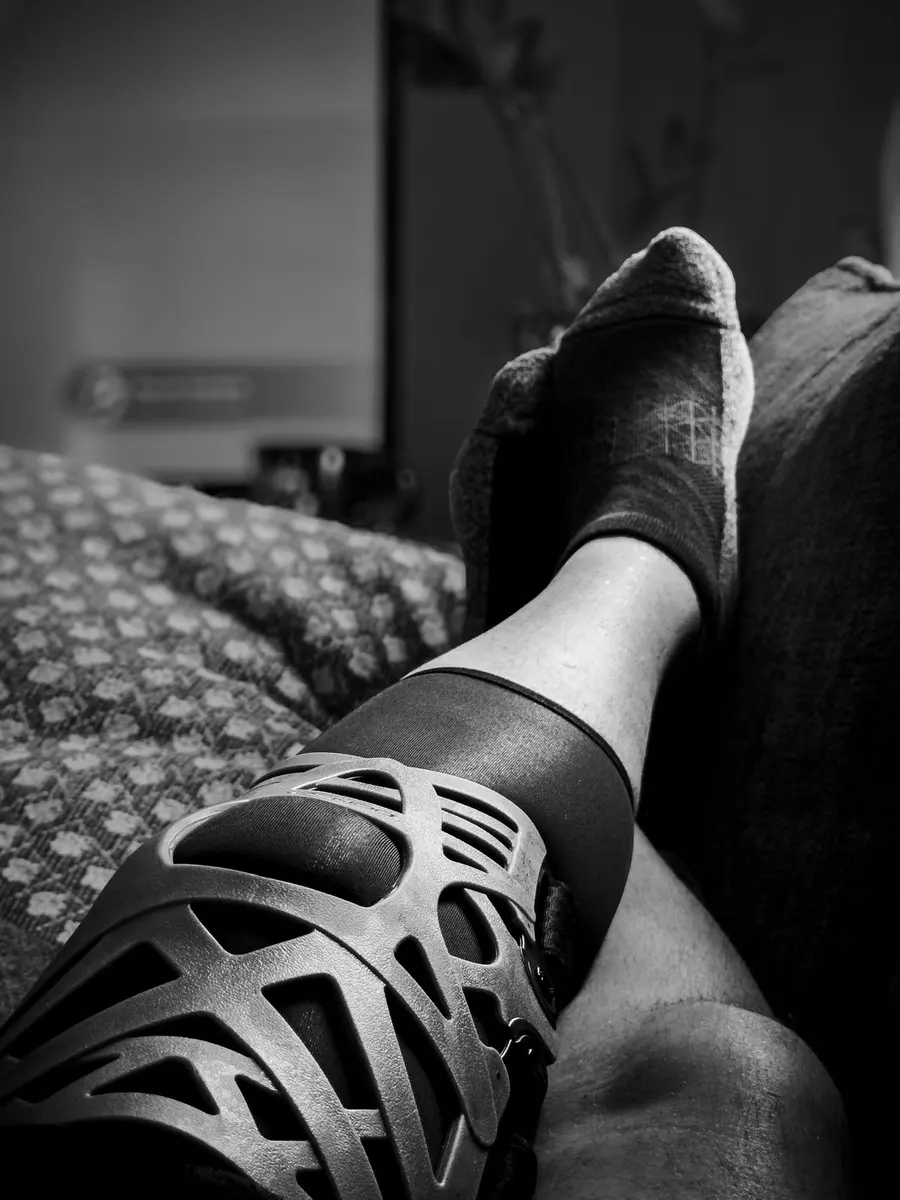
Injuries we see most in pedestrian accidents
Each links to what that specific injury settles for nationally and in your state.





The evidence that decides a pedestrian accident claim
Most of this is free, and most of it stops being available within weeks. Work down the list in order.
- 1Immediate canvass for surveillance footage from businesses facing the intersection
- 2Traffic signal timing and walk-phase data requested from the municipality
- 3Photographs of the crosswalk markings, lighting, and sight lines at the same time of day
- 4The clothing and footwear worn, preserved rather than discarded
- 5Complete trauma and imaging records, including any loss of consciousness
- 6Your own auto policy declarations — UM/UIM usually applies to pedestrians
Four mistakes that cost the most
Every one of these is common, reversible before it happens, and permanent afterward.
Pedestrian Accident claims by state
Filing deadlines, fault rules, and settlement climate vary enough that the same crash is worth very different amounts in different places.
Alabama
2-year deadline
Alaska
2-year deadline
Arizona
2-year deadline
Arkansas
3-year deadline
California
2-year deadline
Colorado
3-year deadline
Connecticut
2-year deadline
Delaware
2-year deadline
District of Columbia
3-year deadline
Florida
2-year deadline
Georgia
2-year deadline
Hawaii
2-year deadline
Idaho
2-year deadline
Illinois
2-year deadline
Indiana
2-year deadline
Iowa
2-year deadline
Kansas
2-year deadline
Kentucky
2-year deadline
Louisiana
2-year deadline
Maine
6-year deadline
Maryland
3-year deadline
Massachusetts
3-year deadline
Michigan
3-year deadline
Minnesota
6-year deadline
Mississippi
3-year deadline
Missouri
5-year deadline
Montana
3-year deadline
Nebraska
4-year deadline
Nevada
2-year deadline
New Hampshire
3-year deadline
New Jersey
2-year deadline
New Mexico
3-year deadline
New York
3-year deadline
North Carolina
3-year deadline
North Dakota
6-year deadline
Ohio
2-year deadline
Oklahoma
2-year deadline
Oregon
2-year deadline
Pennsylvania
2-year deadline
Rhode Island
3-year deadline
South Carolina
3-year deadline
South Dakota
3-year deadline
Tennessee
1-year deadline
Texas
2-year deadline
Utah
4-year deadline
Vermont
3-year deadline
Virginia
2-year deadline
Washington
3-year deadline
West Virginia
2-year deadline
Wisconsin
3-year deadline
Wyoming
4-year deadline
Pedestrian Accident questions people actually ask
What is the average pedestrian accident settlement?
Because pedestrian injuries skew severe, settlements run higher than typical car claims — commonly $25,000 to $250,000, and substantially more where there is a brain injury, permanent impairment, or a commercial policy behind the vehicle.
Can I recover if I was jaywalking?
In most states, yes, at a reduced amount reflecting your share of fault. The exceptions are the contributory negligence jurisdictions, where any fault bars recovery — which makes the fault investigation critical there.
Does my car insurance cover me if I was hit while walking?
Usually yes. Uninsured and underinsured motorist coverage typically follows you as a person, and in no-fault states your PIP may pay medical bills even though no car of yours was involved.
What if the driver fled the scene?
A hit-and-run is generally treated as an uninsured motorist claim under your own policy. Most policies require prompt reporting to police and to the insurer, so the reporting timeline matters.
Who is liable if the crossing itself was unsafe?
A municipality or state agency can be liable for inadequate lighting, missing crossings, or defective signal timing. These claims carry much shorter notice requirements and specific procedural rules.
Find out what your pedestrian accident claim is worth
Sixty seconds, no cost, and no obligation to do anything with the number. You will see a range built from your treatment, your fault picture, and your state’s rules — right here, without leaving the page.
Estimated range
1/6 answered
Other accident types

Car Accident
$3K – $55K

Truck Accident
$25K – $350K

Motorcycle Accident
$20K – $200K

Bicycle Accident
$15K – $150K

Rideshare Accident
$10K – $120K

Slip and Fall
$5K – $60K

Workplace Injury
$5K – $75K

Dog Bite
$15K – $60K

Medical Malpractice
$50K – $500K
Product Liability
$25K – $250K

Nursing Home Abuse
$30K – $300K
Electric Scooter Accident
$10K – $75K
Falling Object Injury
$15K – $150K