
Average workplace injury settlements
The average workplace injury settlement runs $5,000 to $75,000, reaching $500,000 or more where there is surgery or lasting impairment.
Workers' compensation is a trade. You get medical coverage and partial wage replacement without proving anyone did anything wrong, and in exchange you give up the right to sue your employer for pain and suffering. For a straightforward injury with a full recovery, that trade works out. For a serious one, it leaves most of the harm uncompensated.
Typical low end
$5,000
Typical high end
$75,000
Severe / surgical
$500,000
Ranges are editorial estimates built from published verdict and settlement research. Every claim is different, and nothing here is legal advice or a prediction of outcome.
What makes a workplace injury claim different
What most injured workers never learn is that the bar only applies to the employer. If someone else contributed — a subcontractor, an equipment manufacturer, a property owner, a delivery driver, a maintenance contractor — a separate third-party claim runs alongside the comp claim and does include pain and suffering, full lost earnings, and future losses.
Construction sites are the clearest example. A worker employed by one trade, injured by another trade's negligence on a general contractor's site, has a comp claim against their own employer and a full negligence claim against the others. That combination is where the real recovery is, and it is routinely missed.
The quick version
- ~2.6Mnonfatal workplace injuries reported annuallyBureau of Labor Statistics
- Fall protectionis consistently the most-cited safety standardOSHA citation data
- 0dollars for pain and suffering under workers' compExclusive remedy rule
Workplace Injury settlement amounts by severity
A range is only useful if you know which end you are on. These bands are what separates them.
| Severity | Typical range | What puts a claim here |
|---|---|---|
| Treated and released | $1,667 – $5,000 | An ER visit or urgent care, a few weeks of follow-up, and a full recovery. Insurers resolve these fast and price them off the medical bill almost mechanically. |
| Extended treatment | $5,000 – $75,000 | Months of physical therapy, imaging that shows something objective, and documented time away from work. This is where most workplace injuries land, and where negotiation actually matters. |
| Surgery or permanent impairment | $75,000 – $500,000+ | An operation, a permanent restriction in writing, or future care your doctor will testify to. Available insurance, not injury severity, is usually what caps these. |
How workplace injuries happen
The cause determines who is liable and which evidence matters. Tap any card to open it.
Who is liable, and how fault is decided
Liability is the whole claim. Everything downstream — the number, the timeline, whether it settles at all — follows from this.
Compare fault rules by stateThe exclusive remedy rule bars most suits against your employer, with narrow exceptions for intentional harm and, in some states, for employers who failed to carry required coverage. It does not bar claims against anyone else, and that distinction is the single most valuable thing to understand about a workplace injury.
On multi-employer worksites, control is what determines duty. A general contractor that controls site safety, a property owner that retained oversight, and a subcontractor whose crew created the hazard can each owe a duty to a worker they do not employ. Site safety plans, daily logs, and contracts establish who controlled what.
When both claims run, the comp carrier will assert a lien against the third-party recovery for what it paid. Negotiating that lien down is a routine and significant part of the outcome — the difference between a gross settlement and what actually reaches the worker.
Injuries we see most in workplace injuries
Each links to what that specific injury settles for nationally and in your state.





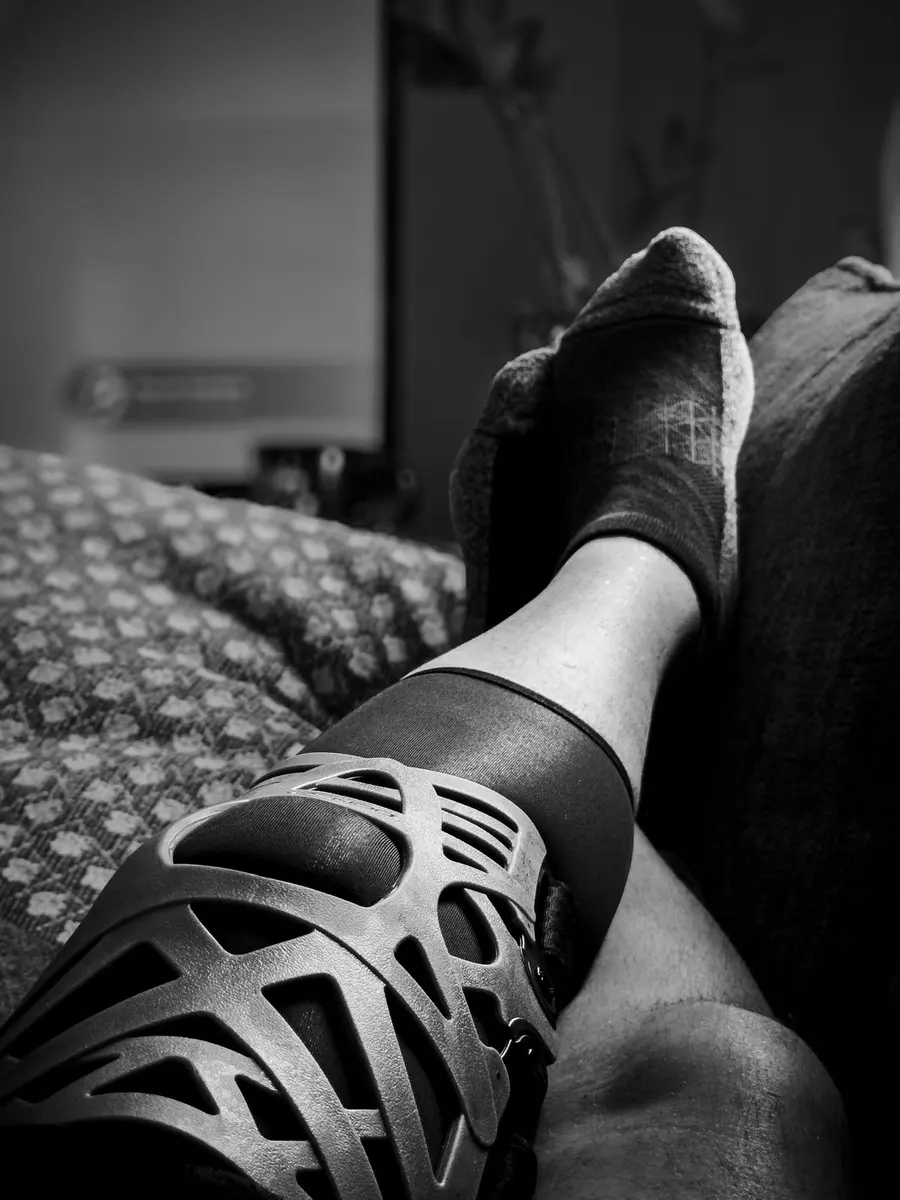


The evidence that decides a workplace injury claim
Most of this is free, and most of it stops being available within weeks. Work down the list in order.
- 1Written report to the employer within the state deadline, which can be as short as days
- 2The incident report, and any safety complaint made before the injury
- 3Photographs of the equipment, guarding, and site conditions before repairs
- 4Names of every contractor and company present on the site that day
- 5Safety meeting sign-in sheets, toolbox talks, and site safety plans
- 6Any regulatory inspection or citation that follows the incident
Four mistakes that cost the most
Every one of these is common, reversible before it happens, and permanent afterward.
Workplace Injury claims by state
Filing deadlines, fault rules, and settlement climate vary enough that the same crash is worth very different amounts in different places.
Alabama
2-year deadline
Alaska
2-year deadline
Arizona
2-year deadline
Arkansas
3-year deadline
California
2-year deadline
Colorado
3-year deadline
Connecticut
2-year deadline
Delaware
2-year deadline
District of Columbia
3-year deadline
Florida
2-year deadline
Georgia
2-year deadline
Hawaii
2-year deadline
Idaho
2-year deadline
Illinois
2-year deadline
Indiana
2-year deadline
Iowa
2-year deadline
Kansas
2-year deadline
Kentucky
2-year deadline
Louisiana
2-year deadline
Maine
6-year deadline
Maryland
3-year deadline
Massachusetts
3-year deadline
Michigan
3-year deadline
Minnesota
6-year deadline
Mississippi
3-year deadline
Missouri
5-year deadline
Montana
3-year deadline
Nebraska
4-year deadline
Nevada
2-year deadline
New Hampshire
3-year deadline
New Jersey
2-year deadline
New Mexico
3-year deadline
New York
3-year deadline
North Carolina
3-year deadline
North Dakota
6-year deadline
Ohio
2-year deadline
Oklahoma
2-year deadline
Oregon
2-year deadline
Pennsylvania
2-year deadline
Rhode Island
3-year deadline
South Carolina
3-year deadline
South Dakota
3-year deadline
Tennessee
1-year deadline
Texas
2-year deadline
Utah
4-year deadline
Vermont
3-year deadline
Virginia
2-year deadline
Washington
3-year deadline
West Virginia
2-year deadline
Wisconsin
3-year deadline
Wyoming
4-year deadline
Workplace Injury questions people actually ask
Can I sue my employer for a workplace injury?
In most cases no — workers' compensation is the exclusive remedy against an employer. Exceptions exist for intentional conduct and, in some states, for uninsured employers. You can sue any negligent third party.
What is a third-party workplace claim worth?
Substantially more than comp benefits, because it includes pain and suffering, the full wage loss rather than a percentage, and future losses. Ranges vary widely with injury severity and the available policies.
Does workers' comp cover pain and suffering?
No. Comp pays medical treatment, a portion of lost wages, and a permanent impairment award based on a rating schedule. Non-economic damages are only available through a third-party claim.
Can I be fired for filing a claim?
Retaliation for filing a workers' compensation claim is unlawful in every state, and a retaliation claim is separate from the injury claim. Documenting the timeline of events after you report matters.
What if I am an independent contractor?
You may fall outside comp coverage entirely, which removes the exclusive remedy bar and can allow a direct negligence claim against the hiring company. Misclassification is common and worth examining.
Find out what your workplace injury claim is worth
Sixty seconds, no cost, and no obligation to do anything with the number. You will see a range built from your treatment, your fault picture, and your state’s rules — right here, without leaving the page.
Estimated range
1/6 answered
Other accident types

Car Accident
$3K – $55K

Truck Accident
$25K – $350K

Motorcycle Accident
$20K – $200K

Pedestrian Accident
$25K – $250K

Bicycle Accident
$15K – $150K

Rideshare Accident
$10K – $120K

Slip and Fall
$5K – $60K

Dog Bite
$15K – $60K

Medical Malpractice
$50K – $500K
Product Liability
$25K – $250K

Nursing Home Abuse
$30K – $300K
Electric Scooter Accident
$10K – $75K
Falling Object Injury
$15K – $150K