
Average motorcycle accident settlements
The average motorcycle accident settlement runs $20,000 to $200,000, reaching $1,500,000 or more where there is surgery or lasting impairment.
Motorcycle claims are defined by a mismatch: the injuries are far more severe than in comparable car crashes, while the insurance available to pay for them is frequently the same modest state-minimum policy. A rider with $180,000 in medical bills and a $25,000 at-fault policy has a collection problem, not a liability problem.
Typical low end
$20,000
Typical high end
$200,000
Severe / surgical
$1,500,000
Ranges are editorial estimates built from published verdict and settlement research. Every claim is different, and nothing here is legal advice or a prediction of outcome.
What makes a motorcycle accident claim different
Riders also carry a bias into the claim that car drivers do not. Adjusters and jurors arrive with assumptions about speed and risk-taking, and the defense will work that assumption whether or not the facts support it. Gear, licensing, training certificates, and a clean riding record are worth documenting precisely because they neutralize it.
The practical consequence is that motorcycle cases are won on two fronts at once — proving the driver's fault, and finding every dollar of coverage that can be reached. Underinsured motorist coverage, umbrella policies, resident-relative policies, and commercial coverage on the at-fault vehicle are all worth investigating before anyone talks about settlement.
The quick version
- ~24xhigher fatality rate per mile than passenger carsNHTSA
- ~80%of reported motorcycle crashes cause injury or deathNHTSA
- Left turnsare the most common multi-vehicle crash patternCrash causation research
Motorcycle Accident settlement amounts by severity
A range is only useful if you know which end you are on. These bands are what separates them.
| Severity | Typical range | What puts a claim here |
|---|---|---|
| Treated and released | $6,667 – $20,000 | An ER visit or urgent care, a few weeks of follow-up, and a full recovery. Insurers resolve these fast and price them off the medical bill almost mechanically. |
| Extended treatment | $20,000 – $200,000 | Months of physical therapy, imaging that shows something objective, and documented time away from work. This is where most motorcycle accidents land, and where negotiation actually matters. |
| Surgery or permanent impairment | $200,000 – $1,500,000+ | An operation, a permanent restriction in writing, or future care your doctor will testify to. Available insurance, not injury severity, is usually what caps these. |
How motorcycle accidents happen
The cause determines who is liable and which evidence matters. Tap any card to open it.
Who is liable, and how fault is decided
Liability is the whole claim. Everything downstream — the number, the timeline, whether it settles at all — follows from this.
Compare fault rules by stateHelmet law arguments come up in nearly every motorcycle claim, and the legal effect varies sharply by state. In some jurisdictions, non-use cannot be introduced at all. In others, it can reduce damages for head injuries specifically but not for unrelated injuries. The defense will raise it regardless of whether the law permits it to matter.
Comparative fault allocation matters more in motorcycle cases than almost anywhere else, because even a modest fault percentage applied to a very large damages number removes a lot of money. Establishing that the rider was licensed, endorsed, sober, in-lane, and within the speed limit is not a formality — it is the defense's main line of attack.
Where the at-fault policy is small relative to the injuries, the leverage shifts to a time-limited policy limits demand. Presented properly, with complete medical records and a firm deadline, it creates bad-faith exposure for the carrier if it refuses — which is often what unlocks the full limit quickly.
Injuries we see most in motorcycle accidents
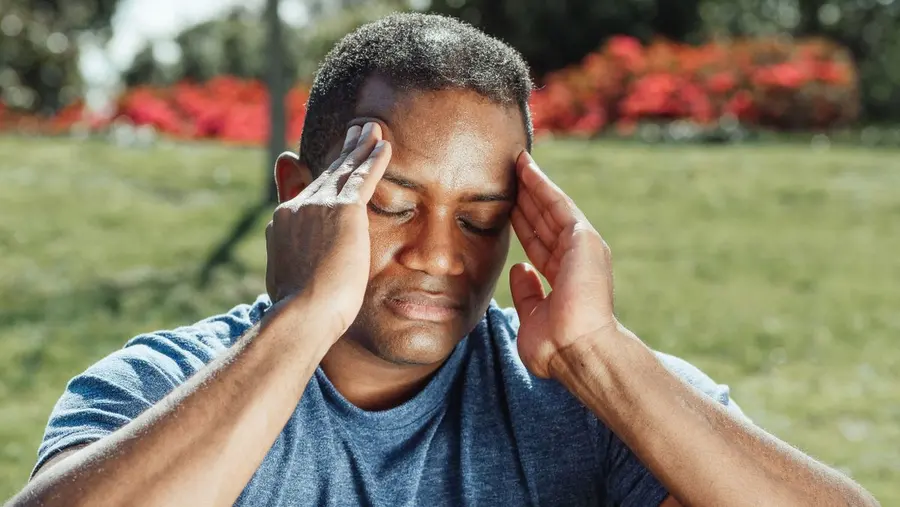
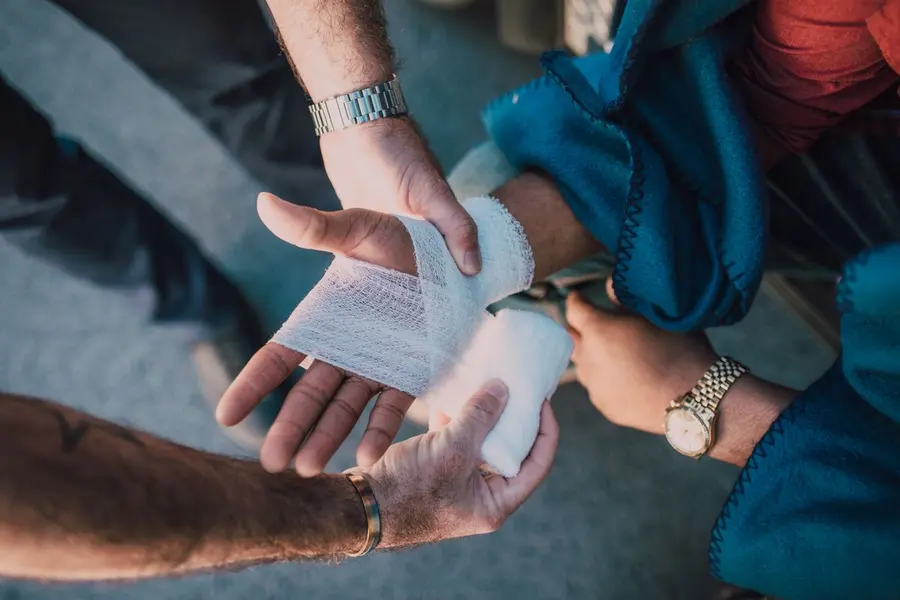
Each links to what that specific injury settles for nationally and in your state.




The evidence that decides a motorcycle accident claim
Most of this is free, and most of it stops being available within weeks. Work down the list in order.
- 1Photographs of the gear worn, including helmet damage and abrasion patterns
- 2Motorcycle endorsement, safety course certificates, and riding history
- 3Scene photographs showing sight lines from the driver's position
- 4Full declarations pages for every household policy, to find stacked UM coverage
- 5Complete emergency and trauma records from the first 72 hours
- 6Any helmet camera, dashcam, or nearby business surveillance footage
Four mistakes that cost the most
Every one of these is common, reversible before it happens, and permanent afterward.
Motorcycle Accident claims by state
Filing deadlines, fault rules, and settlement climate vary enough that the same crash is worth very different amounts in different places.
Alabama
2-year deadline
Alaska
2-year deadline
Arizona
2-year deadline
Arkansas
3-year deadline
California
2-year deadline
Colorado
3-year deadline
Connecticut
2-year deadline
Delaware
2-year deadline
District of Columbia
3-year deadline
Florida
2-year deadline
Georgia
2-year deadline
Hawaii
2-year deadline
Idaho
2-year deadline
Illinois
2-year deadline
Indiana
2-year deadline
Iowa
2-year deadline
Kansas
2-year deadline
Kentucky
2-year deadline
Louisiana
2-year deadline
Maine
6-year deadline
Maryland
3-year deadline
Massachusetts
3-year deadline
Michigan
3-year deadline
Minnesota
6-year deadline
Mississippi
3-year deadline
Missouri
5-year deadline
Montana
3-year deadline
Nebraska
4-year deadline
Nevada
2-year deadline
New Hampshire
3-year deadline
New Jersey
2-year deadline
New Mexico
3-year deadline
New York
3-year deadline
North Carolina
3-year deadline
North Dakota
6-year deadline
Ohio
2-year deadline
Oklahoma
2-year deadline
Oregon
2-year deadline
Pennsylvania
2-year deadline
Rhode Island
3-year deadline
South Carolina
3-year deadline
South Dakota
3-year deadline
Tennessee
1-year deadline
Texas
2-year deadline
Utah
4-year deadline
Vermont
3-year deadline
Virginia
2-year deadline
Washington
3-year deadline
West Virginia
2-year deadline
Wisconsin
3-year deadline
Wyoming
4-year deadline
Motorcycle Accident questions people actually ask
How much is a motorcycle accident settlement worth?
Motorcycle settlements typically run from around $20,000 for a moderate injury to well over $200,000 where there is surgery or permanent impairment, and into seven figures for catastrophic outcomes. The practical ceiling is usually the available insurance rather than the value of the harm.
Does not wearing a helmet ruin my claim?
It does not end the claim. Depending on your state, non-use may be inadmissible, may reduce head-injury damages only, or may factor into comparative fault. It has no logical bearing on a broken leg, and that argument has to be made explicitly.
What if the driver who hit me has minimum coverage?
Your underinsured motorist coverage is designed for exactly this, and in some states policies across household vehicles can be stacked. Reviewing every declarations page in the household is a standard early step.
Are motorcycle claims harder to win?
They face more bias, not more legal difficulty. Countering the assumption of reckless riding with licensing, training, gear, and clean record documentation is a routine and effective part of the presentation.
How long does a motorcycle claim take to settle?
Usually longer than a car claim because the injuries take longer to resolve. Settling before you reach maximum medical improvement means guessing at your own future care costs.
Find out what your motorcycle accident claim is worth
Sixty seconds, no cost, and no obligation to do anything with the number. You will see a range built from your treatment, your fault picture, and your state’s rules — right here, without leaving the page.
Estimated range
1/6 answered
Other accident types

Car Accident
$3K – $55K

Truck Accident
$25K – $350K

Pedestrian Accident
$25K – $250K

Bicycle Accident
$15K – $150K
Rideshare Accident
$10K – $120K

Slip and Fall
$5K – $60K

Workplace Injury
$5K – $75K

Dog Bite
$15K – $60K

Medical Malpractice
$50K – $500K
Product Liability
$25K – $250K

Nursing Home Abuse
$30K – $300K
Electric Scooter Accident
$10K – $75K
Falling Object Injury
$15K – $150K