
Average slip and fall settlements
The average slip and fall settlement runs $5,000 to $60,000, reaching $400,000 or more where there is surgery or lasting impairment.
A slip and fall claim is not about whether you fell or whether you were hurt. It is about notice: whether the property owner knew about the hazard, or whether it had existed long enough that a reasonable inspection would have caught it. A puddle that appeared 30 seconds before you walked through it generally is not a claim. The same puddle at hour three, with cart tracks running through it, is.
Typical low end
$5,000
Typical high end
$60,000
Severe / surgical
$400,000
Ranges are editorial estimates built from published verdict and settlement research. Every claim is different, and nothing here is legal advice or a prediction of outcome.
What makes a slip and fall claim different
That single legal question drives the entire evidence strategy. Surveillance footage showing how long the hazard sat there, inspection logs showing when the area was last checked, and prior incident reports at the same location are what convert a fall into a claim. Nearly all of it is in the property owner's possession, and most of it is on a short retention cycle.
These claims also carry a built-in comparative fault fight. The defense will argue the hazard was open and obvious, that you were distracted, or that your footwear was inappropriate. Photographs taken from your actual walking approach — not from above, after the fact — are what answer that.
The quick version
- ~8Memergency room visits from falls each yearCDC / NSC
- Noticeis the element most premises claims are decided onPremises liability doctrine
- 1–4 weekstypical retail surveillance retention windowRetail loss prevention practice
Slip and Fall settlement amounts by severity
A range is only useful if you know which end you are on. These bands are what separates them.
| Severity | Typical range | What puts a claim here |
|---|---|---|
| Treated and released | $1,667 – $5,000 | An ER visit or urgent care, a few weeks of follow-up, and a full recovery. Insurers resolve these fast and price them off the medical bill almost mechanically. |
| Extended treatment | $5,000 – $60,000 | Months of physical therapy, imaging that shows something objective, and documented time away from work. This is where most slip and fall accidents land, and where negotiation actually matters. |
| Surgery or permanent impairment | $60,000 – $400,000+ | An operation, a permanent restriction in writing, or future care your doctor will testify to. Available insurance, not injury severity, is usually what caps these. |
How slip and fall accidents happen
The cause determines who is liable and which evidence matters. Tap any card to open it.
Who is liable, and how fault is decided
Liability is the whole claim. Everything downstream — the number, the timeline, whether it settles at all — follows from this.
Compare fault rules by statePremises liability duty scales with why you were there. A customer in a store is an invitee and receives the highest duty — the owner must inspect for hazards and fix or warn about them. A social guest is a licensee and is owed warning of known dangers. A trespasser is owed very little, with exceptions for children and attractive nuisances.
Notice comes in two forms. Actual notice means someone reported it or an employee created it. Constructive notice means it existed long enough that reasonable inspection would have found it — which is why footage timestamps and inspection sweep logs are the highest-value evidence in these cases.
The open and obvious doctrine is the standard defense: if a reasonable person would have seen and avoided the hazard, the owner may owe nothing. Its strength varies by state, and it is rebutted by showing the hazard was hard to see given lighting, floor color, distraction by displays, or the angle of approach.
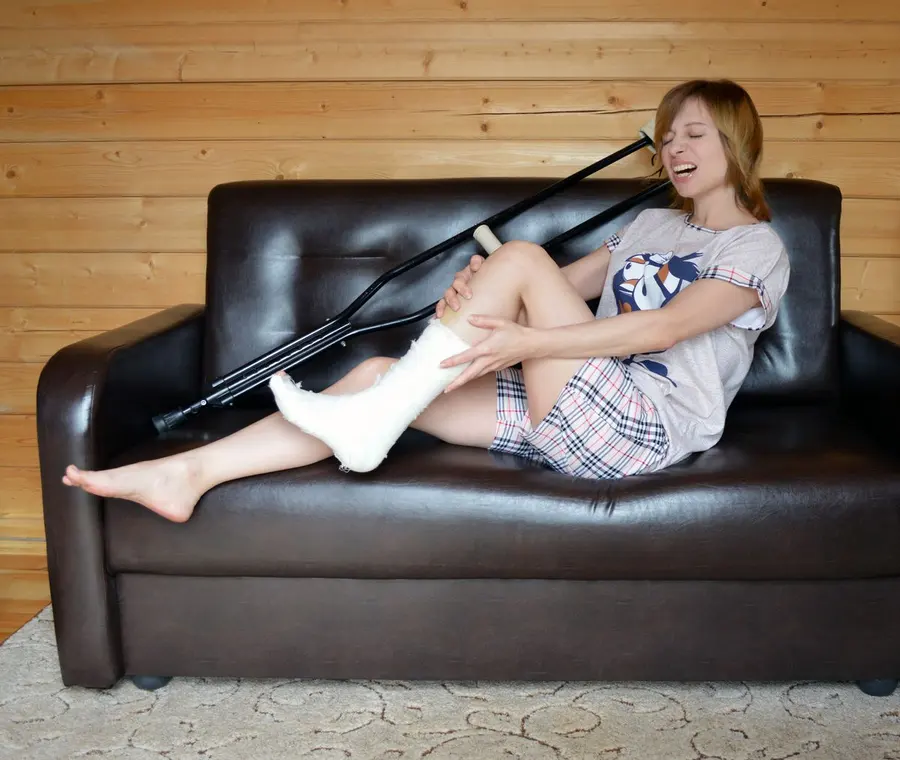
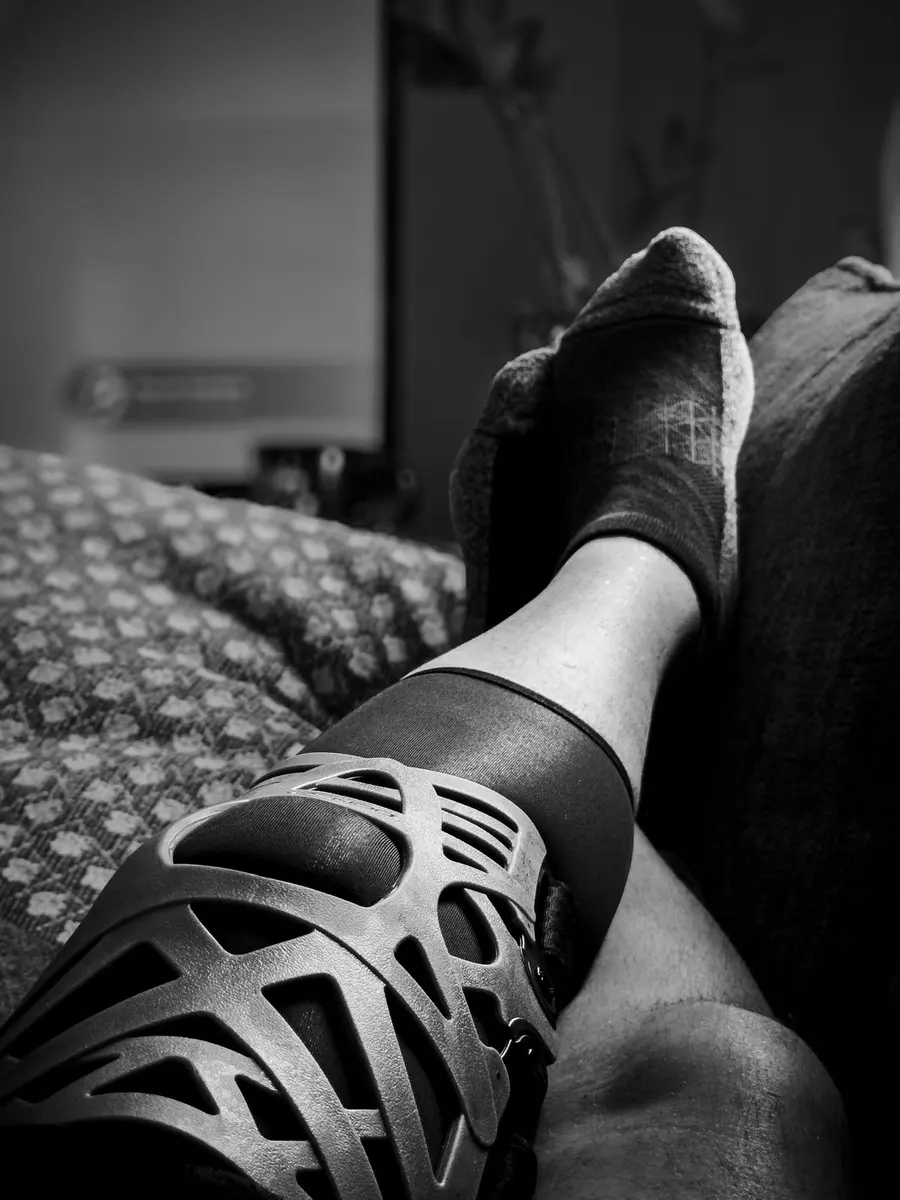
Injuries we see most in slip and fall accidents
Each links to what that specific injury settles for nationally and in your state.





The evidence that decides a slip and fall claim
Most of this is free, and most of it stops being available within weeks. Work down the list in order.
- 1Photograph the hazard immediately, from your approach angle, before it is cleaned up
- 2Report it to a manager and get a written incident report with a copy
- 3Names and badges of employees who responded
- 4A preservation letter requesting surveillance footage before it overwrites
- 5Inspection sweep logs and maintenance records for that area
- 6The shoes worn, preserved to rebut a footwear argument
Four mistakes that cost the most
Every one of these is common, reversible before it happens, and permanent afterward.
Slip and Fall claims by state
Filing deadlines, fault rules, and settlement climate vary enough that the same crash is worth very different amounts in different places.
Alabama
2-year deadline
Alaska
2-year deadline
Arizona
2-year deadline
Arkansas
3-year deadline
California
2-year deadline
Colorado
3-year deadline
Connecticut
2-year deadline
Delaware
2-year deadline
District of Columbia
3-year deadline
Florida
2-year deadline
Georgia
2-year deadline
Hawaii
2-year deadline
Idaho
2-year deadline
Illinois
2-year deadline
Indiana
2-year deadline
Iowa
2-year deadline
Kansas
2-year deadline
Kentucky
2-year deadline
Louisiana
2-year deadline
Maine
6-year deadline
Maryland
3-year deadline
Massachusetts
3-year deadline
Michigan
3-year deadline
Minnesota
6-year deadline
Mississippi
3-year deadline
Missouri
5-year deadline
Montana
3-year deadline
Nebraska
4-year deadline
Nevada
2-year deadline
New Hampshire
3-year deadline
New Jersey
2-year deadline
New Mexico
3-year deadline
New York
3-year deadline
North Carolina
3-year deadline
North Dakota
6-year deadline
Ohio
2-year deadline
Oklahoma
2-year deadline
Oregon
2-year deadline
Pennsylvania
2-year deadline
Rhode Island
3-year deadline
South Carolina
3-year deadline
South Dakota
3-year deadline
Tennessee
1-year deadline
Texas
2-year deadline
Utah
4-year deadline
Vermont
3-year deadline
Virginia
2-year deadline
Washington
3-year deadline
West Virginia
2-year deadline
Wisconsin
3-year deadline
Wyoming
4-year deadline
Slip and Fall questions people actually ask
What is the average slip and fall settlement?
Most premises claims settle between roughly $5,000 and $60,000, driven almost entirely by medical treatment and whether surgery was required. Fractures requiring hardware, and falls causing head injury, move well above that range.
Do I have a case if I just fell?
Not by itself. You need a hazardous condition the owner created, knew about, or should have discovered through reasonable inspection. Falling on a floor that was genuinely clean and dry is not a claim.
What if I was partly at fault?
In most states your recovery is reduced by your percentage of fault rather than eliminated. In the small number of contributory negligence jurisdictions, any fault at all bars recovery.
How long do I have to file?
Generally the same statute of limitations as other injury claims in your state, most commonly two or three years. Falls on government property often require formal notice within a few months.
Does the store's insurance pay my medical bills right away?
Some commercial policies include a small medical payments provision that pays regardless of fault, typically a few thousand dollars. Accepting it does not usually release the larger claim, but read what you sign carefully.
Find out what your slip and fall claim is worth
Sixty seconds, no cost, and no obligation to do anything with the number. You will see a range built from your treatment, your fault picture, and your state’s rules — right here, without leaving the page.
Estimated range
1/6 answered
Other accident types

Car Accident
$3K – $55K

Truck Accident
$25K – $350K

Motorcycle Accident
$20K – $200K

Pedestrian Accident
$25K – $250K

Bicycle Accident
$15K – $150K

Rideshare Accident
$10K – $120K

Workplace Injury
$5K – $75K

Dog Bite
$15K – $60K

Medical Malpractice
$50K – $500K
Product Liability
$25K – $250K

Nursing Home Abuse
$30K – $300K
Electric Scooter Accident
$10K – $75K
Falling Object Injury
$15K – $150K